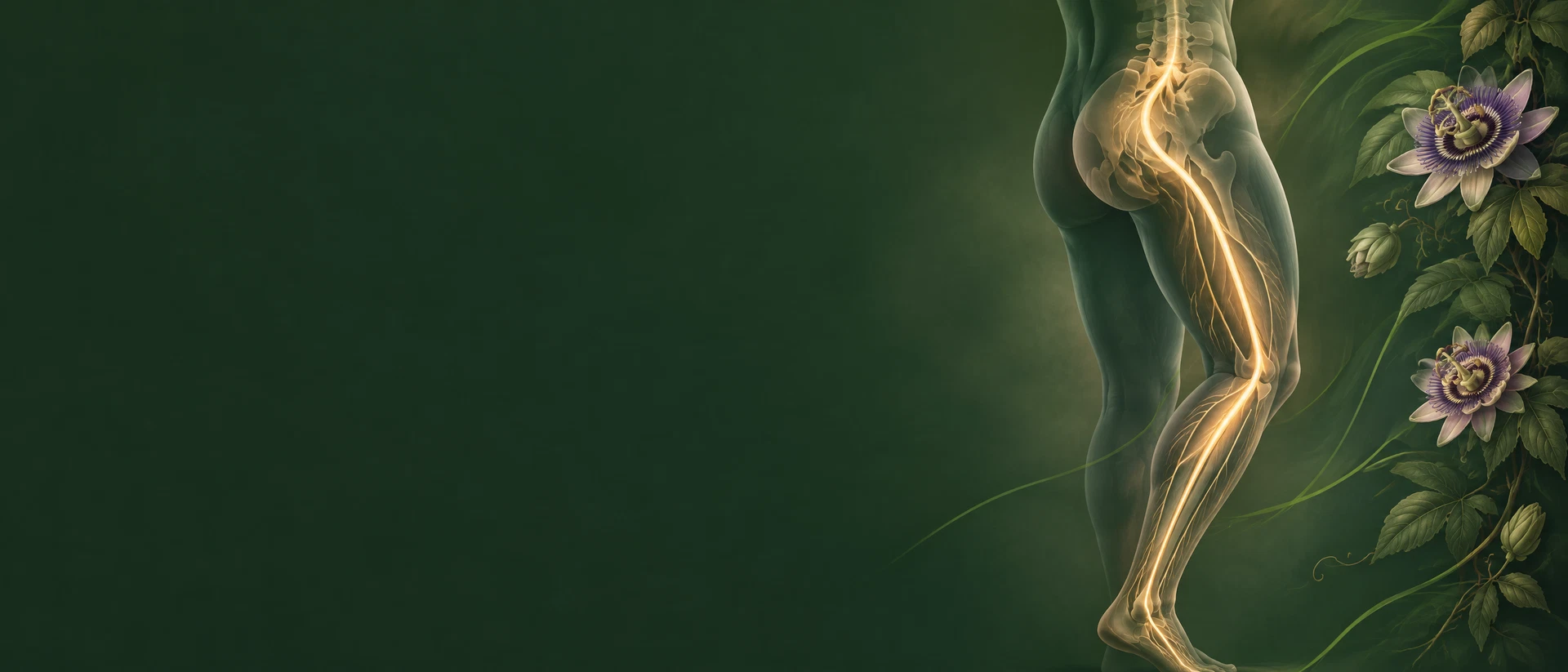
Sciatic pain can be incredibly uncomfortable.
It may begin as an ache in the lower back or buttock and travel down the leg. For some people, it is sharp and shooting. Others describe burning, tingling, numbness, electrical sensations, or a deep ache that simply will not let up.
It can make sitting uncomfortable, interfere with sleep, limit exercise, and turn ordinary activities like driving, walking, working, or getting out of a chair into something you have to think about.
If you are dealing with sciatic pain, we want you to know that this is something we treat at Healing Response—and we have many different treatment options available to help. Our approach combines acupuncture with orthopedic bodywork, nervous system assessment, and technologies including the StimPod 460, PEMF, and red and near-infrared light therapy. The advantage of having multiple treatment options is that we can tailor treatment to your particular symptoms and how your body is responding, rather than relying on one approach for everyone.
What Does Sciatic Pain Feel Like?
The sciatic nerve is the largest nerve in the body. It is formed from nerve roots originating in the lower spine and travels through the pelvis and buttock before continuing down the leg through its branches.
When these nerve pathways become irritated, people can experience symptoms such as:
Some people experience significant back pain along with their leg symptoms. Others have very little back pain and feel most of their discomfort in the buttock, thigh, calf, or foot.
There is no single way that sciatic pain has to feel.
Understanding Your Particular Pain Pattern
Although people commonly use the word sciatica to describe pain traveling from the lower back or buttock into the leg, there can be different contributors to this type of pain.
Sometimes there is irritation or compression involving a nerve root in the lower spine. Muscles and other soft tissues around the hip and buttock can also contribute to symptoms. Joints and other musculoskeletal structures can produce referred pain into the buttock and leg as well. And sometimes several factors are occurring at the same time.
We Look at More Than Where It Hurts
Before treatment, we want to hear the story of your pain:
Depending on your symptoms, we may also evaluate strength, sensation, reflexes, range of motion, hip and lower-back movement, muscle guarding, gait, and other neurological or orthopedic findings.
This assessment helps us determine which treatment strategies may be most useful. And because your symptoms can change, we can continue to reassess as treatment progresses.
Acupuncture for Sciatic Pain
Acupuncture is one of our primary treatment options for low back and sciatic pain. Acupuncture does much more than simply place needles into a painful muscle. An acupuncture needle creates sensory input into the peripheral nervous system, which communicates with the spinal cord and brain and can influence neurological pathways involved in pain modulation.
We can also use acupuncture locally to address painful or guarded muscles and soft tissues that may be contributing to the problem. The acupuncture treatment itself can therefore be adapted depending on what we find during the examination.
Electroacupuncture and the StimPod 460
When appropriate, we can add electrical stimulation to acupuncture or use targeted peripheral nerve stimulation as part of treatment. At Healing Response, we use the StimPod 460, which gives us another way to provide targeted electrical stimulation to peripheral nerves and surrounding tissues.
This can be particularly useful when we want to work more specifically with the nervous system as part of our approach to pain. The intensity and location of stimulation can be adjusted to the individual, and we can evaluate how you respond as part of the treatment process.
Orthopedic Massage and Therapeutic Bodywork
Sciatic pain rarely exists in isolation from the way the rest of the body is moving. When something hurts, we naturally begin protecting it. Muscles may tighten. You may shift your weight toward one side. Your stride may change. The muscles around the hip, pelvis, and lower back may begin working differently because you are trying to avoid provoking the pain.
Over time, those compensations can become uncomfortable themselves. This is one reason we may combine acupuncture with orthopedic massage and therapeutic bodywork. Manual treatment gives us another way to address muscle guarding, restricted movement, soft-tissue discomfort, and compensatory patterns that may be occurring alongside sciatic pain.
PEMF Therapy
Pulsed electromagnetic field therapy, or PEMF, is another noninvasive therapy available at Healing Response. PEMF uses pulsed electromagnetic fields and can be incorporated into a broader treatment plan for musculoskeletal and pain conditions.
For some patients, we may use PEMF during the same visit as acupuncture or therapeutic bodywork, giving us another supportive treatment option without adding additional physical demand.